KIZOMBA
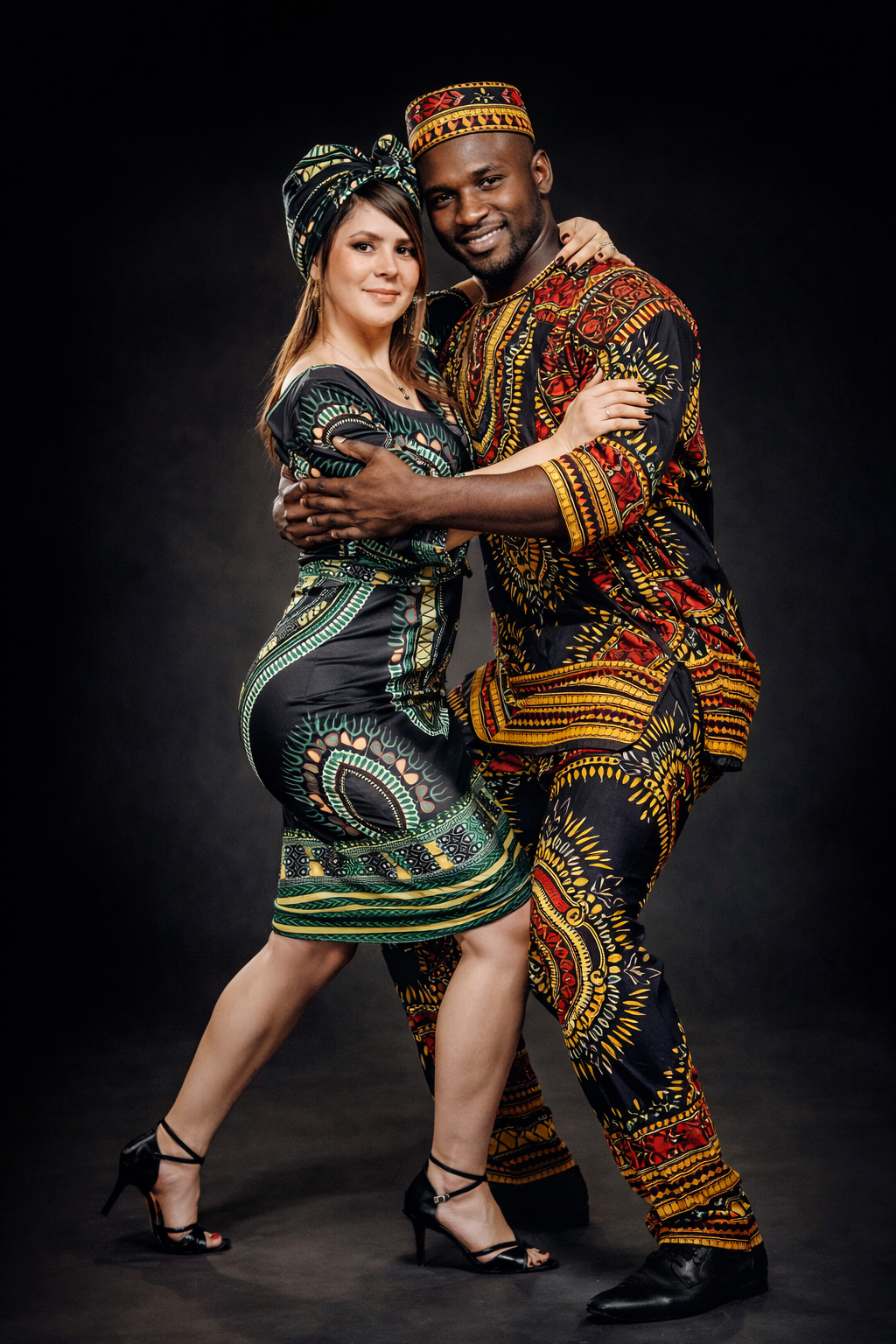
Kizomba is a smooth, romantic partner dance and music genre from Angola that grew out of Semba in the late 1970s and 1980s.
Here’s the essence:
- Origin : Angola, influenced by Semba’s structure but slowed down and infused with rhythms from Caribbean zouk (brought by the band Kassav’ to Africa).
- Music : Slower tempo than Semba, deep bass, and a smooth, flowing rhythm. Lyrics often focus on love, longing, and emotion.
- Dance : Close embrace, subtle hip movements, and a strong focus on leading and following through body connection rather than flashy steps. The walk in Kizomba is as important as the turns.
- Mood : More sensual and intimate than Semba. Think of it as storytelling through gentle, connected movement.
- Global spread : It became popular worldwide in the 2000s and is now danced at festivals, socials, and classes on every continent.
- If Semba feels like an upbeat conversation full of laughter, Kizomba feels like a slow, intimate whisper between two people.
SEMBA
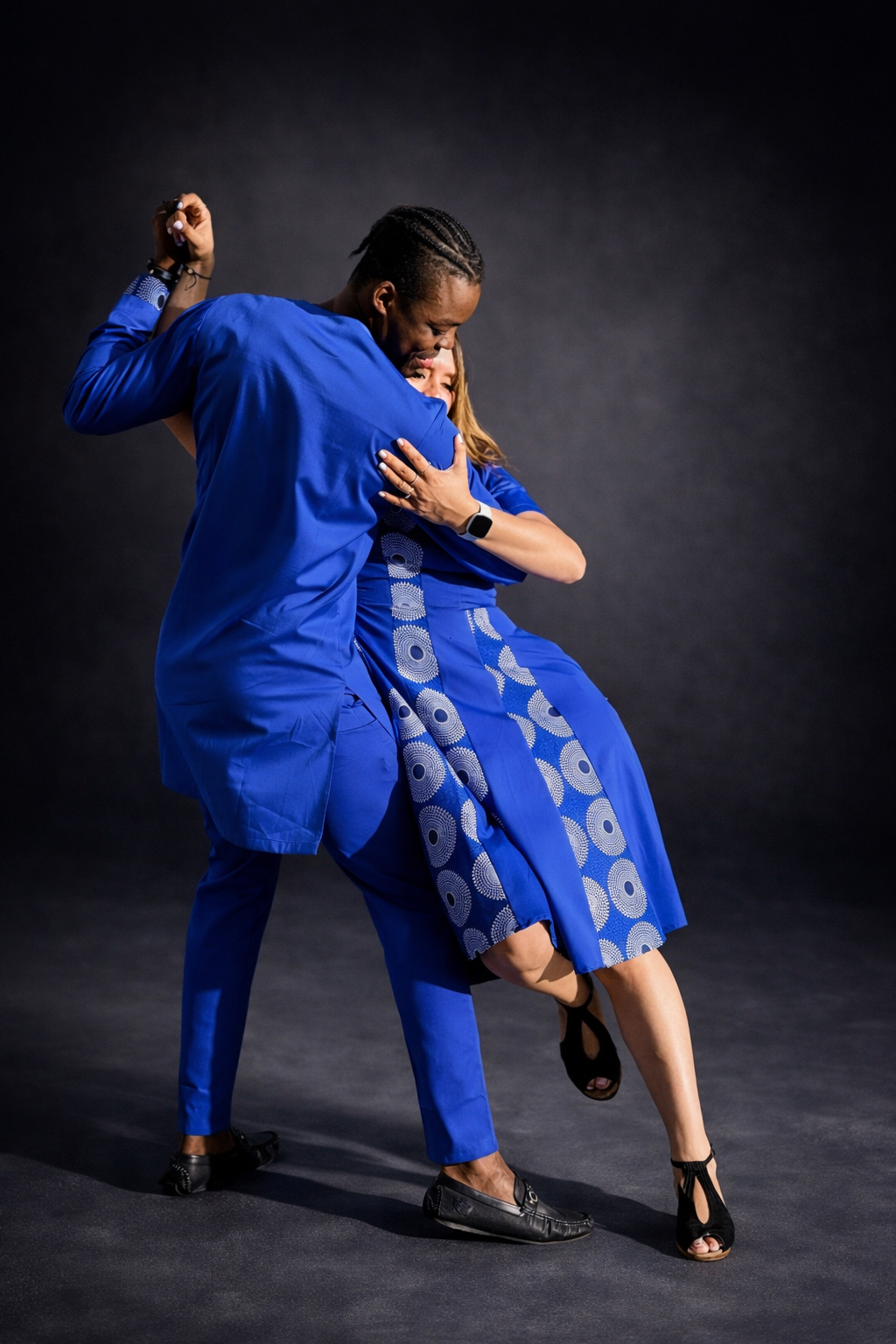
Semba is a lively, traditional music and dance style from Angola that is considered one of the roots of Kizomba.
Here’s the breakdown:
- Origin : Angola, especially popular from the 1950s onward. Its name comes from the word massemba, meaning “a touch of the bellies” — a dance move where partners lightly bump hips or bellies together.
- Music : Energetic, upbeat, and often driven by drums, bass, and guitar. The lyrics frequently tell stories — sometimes humorous, sometimes socially conscious.
- Dance : Partner-based but more playful and fast-paced than Kizomba. Dancers often mix in improvisations, spins, and playful breaks, while still keeping close connection.
- Cultural role : It’s danced at parties, street gatherings, and celebrations, and it reflects joy, humor, and storytelling in Angolan culture.
- If Kizomba is the slow, romantic “conversation,” Semba is the cheerful, witty “banter” — both cousins, but with different moods.
TARRAXINHA
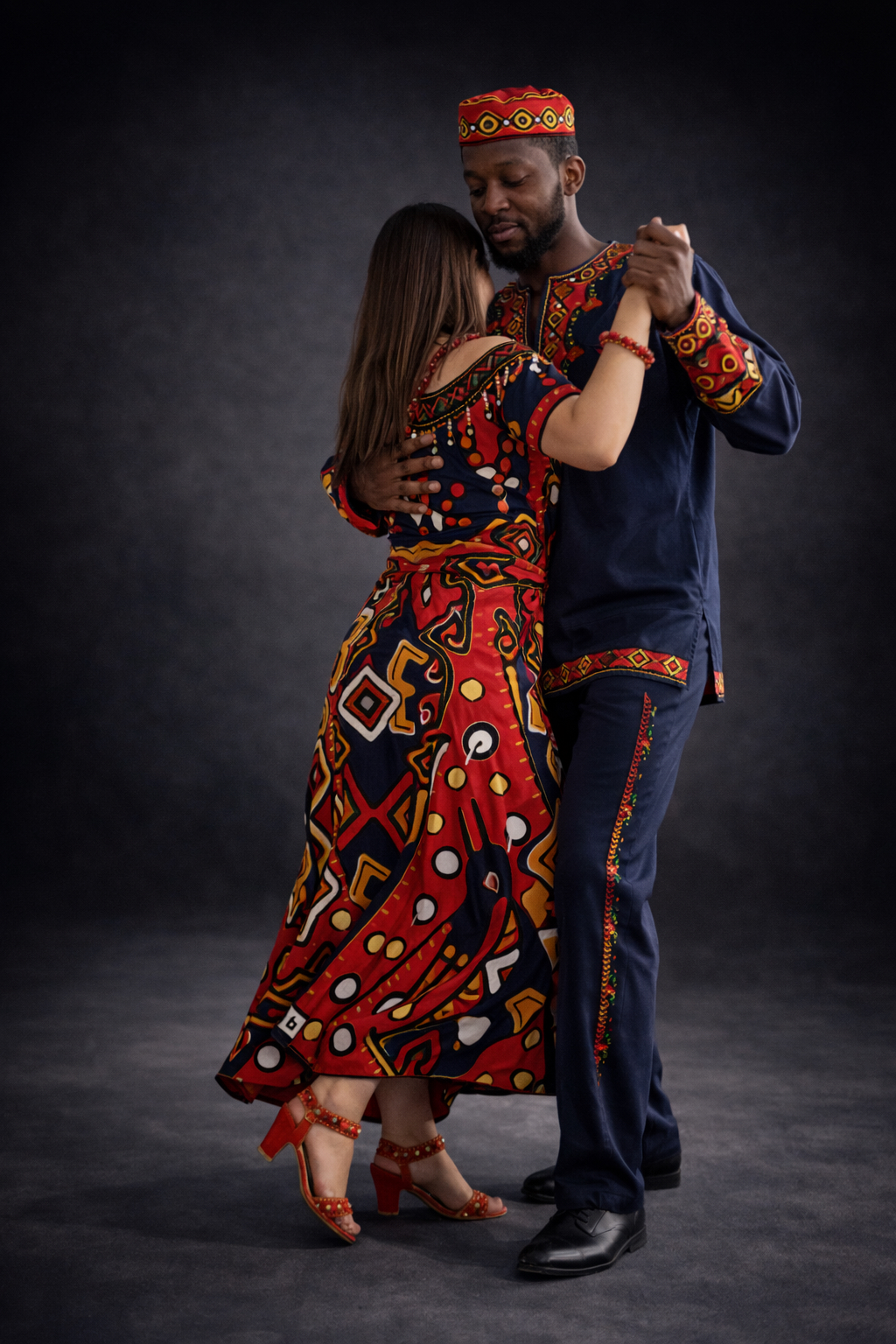
Tarraxinha is a slow, intimate style of Kizomba dancing (and music) that focuses almost entirely on body connection and subtle movement rather than traveling steps.
Here’s the breakdown:
- Origin : Angola, emerging in the 1990s as DJs and musicians began experimenting with Kizomba music — stripping away many melodic instruments and leaving a heavy, minimal beat and bass line.
- Music : Slower, more percussive, with strong emphasis on rhythm over melody. Think deep, hypnotic, and almost “loop-like” in feel.
- Dance : Partners dance very close, often without much travel on the floor.
- Movements are mostly in the hips, torso, and ribcage — led through micro-signals.
- The follower’s hip isolations and weight shifts are often highlighted.
- Mood : Highly sensual, introspective, and connected — but still within the cultural context of Angolan dance, so it’s not about being sexual, it’s about musicality and connection.
- If Semba is playful and Kizomba is romantic, Tarraxinha is like leaning in to share a secret and just breathing with the music.